


For years, LASIK was the default answer for anyone hoping to stop wearing glasses or contact lenses. However, a growing number of patients, including many who qualify for laser vision correction, now choose EVO ICL, an implantable collamer lens that corrects vision from inside the eye. Keep reading to learn why more and more patients are choosing EVO ICL, and whether you could be a good candidate for the procedure.
How EVO ICL Differs From Laser Vision Correction
Laser procedures correct vision by removing tissue. LASIK reshapes the cornea with an excimer laser after creating a thin flap on the eye’s surface, and PRK removes the outer layer of the cornea before reshaping the tissue beneath it. Both procedures work well for the right patient, but both permanently change the cornea’s structure.
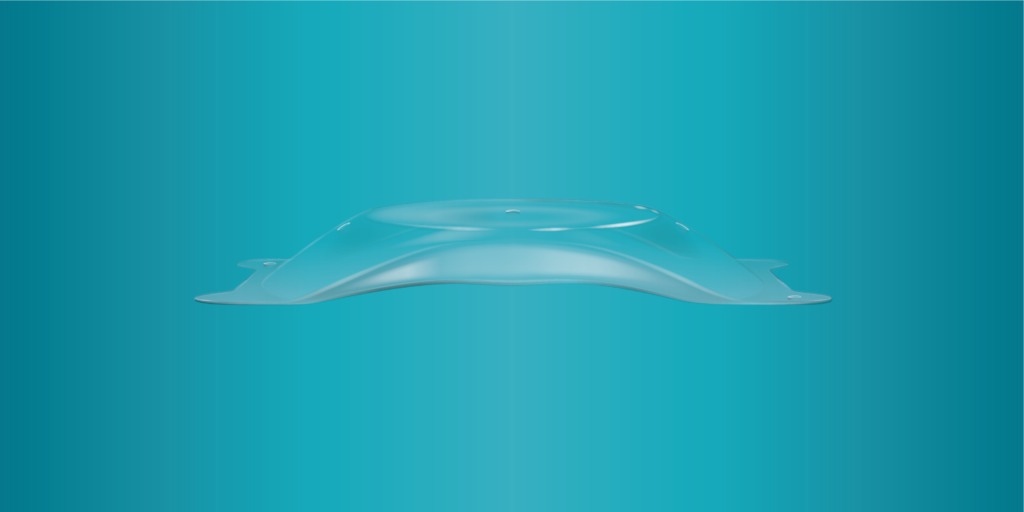
EVO ICL takes an additive approach. Your surgeon places a thin, flexible lens behind the iris and in front of your eye’s natural lens. The cornea stays intact, and the lens focuses light onto the retina much like a contact lens would, without the daily cleaning or regular replacement contacts require.
The lens is made of collamer, a collagen-based material that is compatible with the eye. Most patients cannot feel the lens once it is in place, and no one looking at you can see it.
Reasons Behind the Growing Demand for EVO ICL
EVO ICL received FDA approval in the United States in 2022, though implantable collamer lenses have been used internationally for decades. As more patients hear about the procedure from friends and from their eye doctors, several advantages keep coming up during consultations.
Correction for Higher Prescriptions
Laser procedures have limits on how much nearsightedness they can safely treat, because correcting a strong prescription requires removing more corneal tissue. Patients with high myopia often hear that they fall outside the treatment range for LASIK. EVO ICL can correct much stronger prescriptions because it removes no tissue, making it one of the most common options for patients who aren’t LASIK candidates.
A Better Fit for Thin Corneas and Dry Eyes
Some people have corneas that are too thin for laser treatment. Others already deal with dry eye, which LASIK can worsen. Because EVO ICL leaves the cornea untouched except for a tiny incision, it has a much smaller effect on tear production. Patients who struggled with contact lens discomfort for years often find the procedure a welcome relief.
Astigmatism Correction
Astigmatism causes blurry or distorted vision at every distance. A toric version of the lens corrects astigmatism along with nearsightedness, and EVO ICL works well for patients with astigmatism who never felt comfortable in toric contact lenses.
A Removable Option
Many patients name removability as their deciding factor. If your vision needs change significantly in the future, a surgeon can remove the lens. Laser procedures cannot be undone in the same way. That flexibility gives patients peace of mind about a decision that will affect their eyes for decades.
Sharp Night Vision and Built-In UV Protection
Patients frequently report crisp, high-contrast vision after EVO ICL, including at night. The collamer material also contains a UV blocker, adding protection against ultraviolet light.
Who Makes a Good EVO ICL Candidate?

EVO ICL is not right for everyone. A thorough consultation at The Omaha and Lincoln Eye and Laser Institute reviews your prescription, overall eye health, and internal eye measurements. In general, strong candidates:
- Are between 21 and 60 years old
- Have moderate to high nearsightedness, with or without astigmatism
- Have had a stable prescription for at least a year
- Have enough space inside the eye between the cornea and the natural lens
- Do not have glaucoma, inflammation inside the eye, or certain other eye conditions
EVO ICL cannot correct farsightedness. Patients with age-related farsightedness who are not good candidates for LASIK and PRK may benefit from refractive lens exchange. This vision correction procedure involves removing the eye’s natural lens and replacing it with an artificial intraocular lens (IOL).
What to Expect During the Procedure and Recovery
Patients are often surprised by how quick the EVO ICL procedure is. It is performed on an outpatient basis, so you go home the same day. Your surgeon numbs your eye with drops and may give you a mild sedative to help you relax. After making a tiny incision at the edge of the cornea, the surgeon inserts the folded lens, which unfolds and is positioned behind the iris. The surgery itself usually takes less than 20 minutes per eye.
Most patients notice clearer vision within a day, and many return to work and their normal routines within a few days. You will use prescription eye drops for a short time and attend follow-up visits so your surgeon can confirm the lens is positioned correctly and your eye is healing well. Avoid rubbing your eyes, swimming, and strenuous exercise for as long as your surgeon recommends.
Choosing EVO ICL at The Omaha and Lincoln Eye and Laser Institute
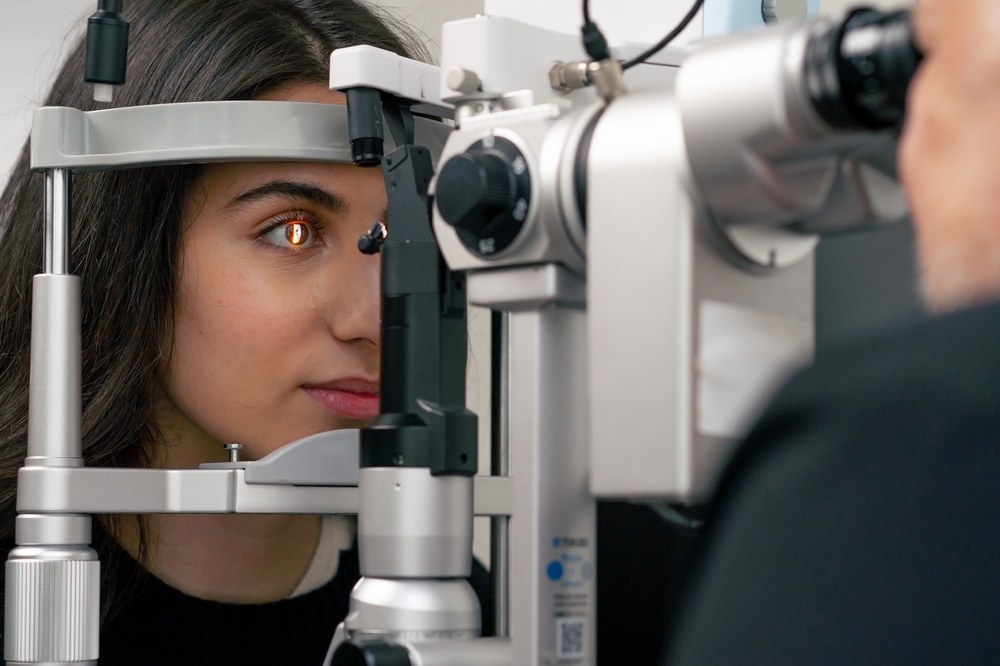
Patients have more vision correction choices than ever, and choosing the right one starts with an honest evaluation. The Omaha and Lincoln Eye and Laser Institute offers a full scope of vision correction procedures to ensure you get the best care for your individual needs.
Our experienced eye surgeons perform vision correction in the practice’s own private, accredited surgical center, so patients work with the same team throughout treatment. The practice was the first in Nebraska to offer blade-free LASIK, and that same commitment to advanced technology guides its EVO ICL program today. During your consultation, the team takes detailed eye measurements, reviews your vision goals, and explains which option best fits your lifestyle.
Were you told you’re not a good candidate for LASIK? Schedule an EVO ICL consultation at The Omaha and Lincoln Eye and Laser Institute in Omaha or Lincoln, NE, today.