



When someone is diagnosed with glaucoma, the next question is often about treatment options: should you use drops, try laser treatments, or consider surgery? For many people with mild to moderate open-angle glaucoma, eye drops have traditionally been the first treatment doctors recommend.
Recently, many eye doctors have started using a more proactive approach to glaucoma treatment, known as interventional glaucoma care. This means they may suggest laser or MIGS treatments over or alongside eye drops before any damage occurs. Selective laser trabeculoplasty (SLT) is now one of the most common first steps to lower eye pressure, and has helped many patients reduce or eliminate their reliance on glaucoma drops.
What is Selective Laser Trabeculoplasty?

SLT targets the trabecular meshwork, which is the drainage tissue in the eye where fluid leaves. In a healthy eye, this fluid, called aqueous humor, drains well and keeps pressure normal. With glaucoma, the drainage slows, causing pressure to build up against the optic nerve.
The laser uses short bursts of low-energy light on the pigmented cells in the meshwork. This starts a natural response that opens the drainage pathway, but it does not burn or scar the tissue. This careful approach is what makes SLT different from the older argon laser trabeculoplasty (ALT), which damaged tissue and could only be done once or twice before scarring stopped it from working. SLT can be repeated because it does not harm the tissue.
How SLT Compares to Eye Drops
For many years, prescription eye drops have been the main way to start treating glaucoma, and they work well if used as directed. The challenge is sticking to the routine. Drops often need to be used every day, sometimes more than once, and missing doses is a common reason why pressure is not controlled. Some drops can also cause side effects like redness, stinging, or changes in eyelash growth. Newer medications can be expensive if insurance does not cover them fully.

SLT sidesteps the adherence problem entirely. Once the procedure is done, there’s nothing for the patient to remember or refill, which is a major reason ophthalmologists increasingly offer it alongside or in place of medication as an initial treatment rather than something reserved for patients who’ve already struggled with drops.
This does not mean that eye drops are no longer needed. People with more advanced glaucoma often need both SLT and medication to keep their eye pressure low. Using both is part of a long-term plan and does not mean the laser treatment failed.
What to Expect During the SLT Procedure
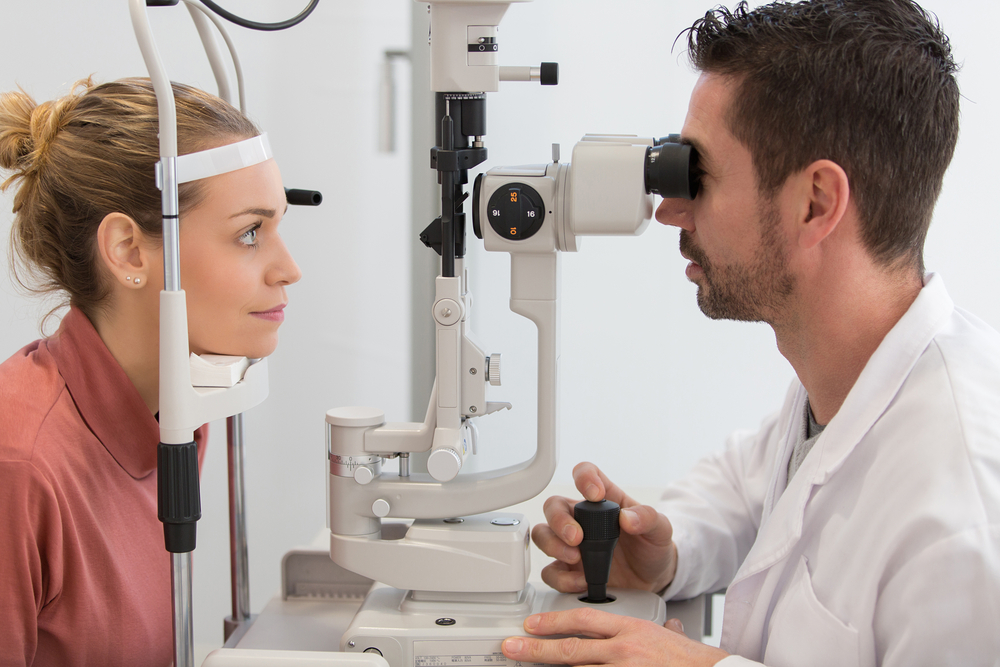
SLT takes only a few minutes for each eye and is done in the doctor’s office, not an operating room. It uses numbing drops instead of injections or sedation. Most people feel only brief flashes of light during the treatment. There are no cuts, no stitches, and usually no major downtime afterward.
Some people may have mild inflammation in the days after treatment, and doctors may give a short course of anti-inflammatory drops to help. A few patients have a temporary rise in eye pressure right after the procedure, but this is watched closely and usually goes away within a day.
Who Is a Good Candidate for SLT?
SLT is meant for open-angle glaucoma, which is the most common type. In this form, the drainage angle is open but does not work well. People with angle-closure glaucoma, where the angle is narrowed or blocked, usually need a different laser treatment called peripheral iridotomy. This procedure makes a small opening in the iris instead of treating the meshwork.
Candidacy also depends on how advanced the disease is. Patients with mild to moderate glaucoma tend to see the strongest results from SLT alone. Those with more advanced pressure elevation may need SLT as one part of a broader plan that includes minimally invasive glaucoma surgery (MIGS) options like iStent, or in more severe cases, trabeculectomy or a tube shunt.
Your glaucoma specialist at The Omaha and Lincoln Eye and Laser Institute determines candidacy based on regular pressure checks and imaging that track how the optic nerve and drainage angle are responding over time.
Weighing the Long-Term Value of SLT

The best way to decide if SLT is worth it is to look at how long it lasts. Most SLT treatments lower eye pressure for three to five years, and some people see benefits for even longer. Since the procedure does not scar the tissue, it can be repeated when the effect wears off, so one successful treatment does not have to be the last.
Being able to repeat SLT makes a big difference for many patients. One quick procedure in the office can keep eye pressure down for years, and it can be done again if needed. This compares well to taking daily medication, which can be costly, cause side effects, and is easy to forget. Glaucoma is a long-term condition and cannot be fully cured, so SLT is a way to manage pressure over time, not a one-time fix. It does not reverse damage to the optic nerve, but it gives patients a reliable, low-maintenance way to protect the vision they still have.
For people who are newly diagnosed or tired of managing a drop schedule that is not keeping their pressure under control, SLT offers a good middle ground between medication and going straight to surgery.
Wondering whether SLT could reduce your reliance on glaucoma eye drops? Schedule an appointment at The Omaha and Lincoln Eye and Laser Institute in Omaha or Lincoln, NE, today.