




Glaucoma is one of the leading causes of irreversible vision loss, yet most people who have it don’t notice any symptoms until significant damage has already occurred. That’s what makes routine glaucoma screenings so important.
If your eye doctor has recommended a glaucoma evaluation, or if it’s simply time for your regular exam, knowing what each test involves can help put your mind at ease. Keep reading to learn about key tests used during a glaucoma screening and what each one tells your eye doctor about the health of your eyes.
What Is Glaucoma and Why Does Early Detection Matter?
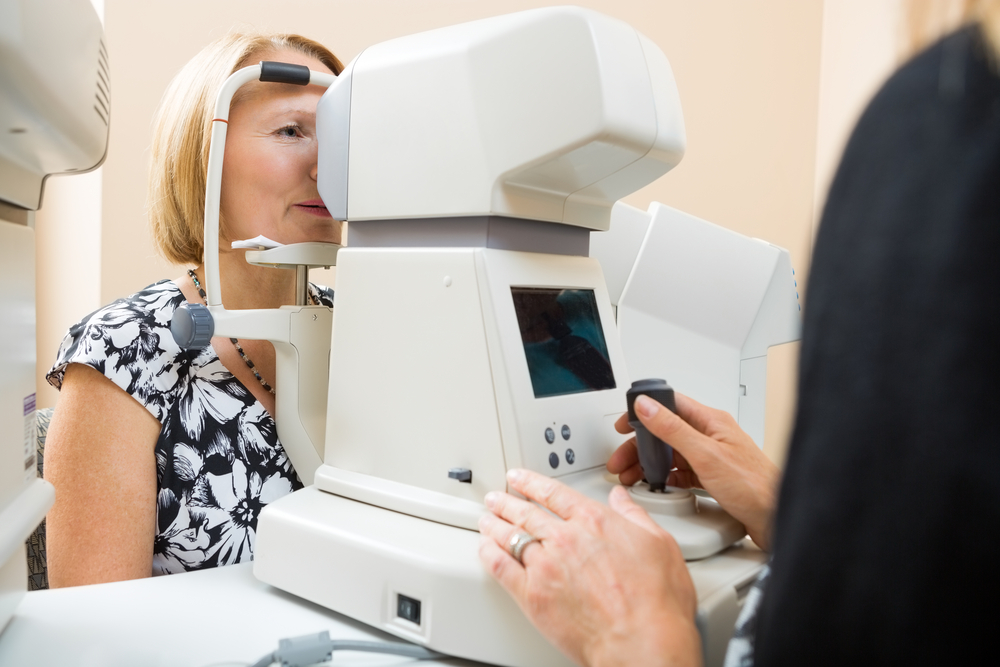
Glaucoma is a condition in which elevated pressure inside the eye gradually damages the optic nerve. The disease typically begins by affecting peripheral vision, and many patients don’t realize anything is wrong until the damage has progressed significantly.
That’s why glaucoma screening is so important. Catching the disease in its earliest stages gives your eye doctor the best chance of slowing or stopping further damage.
At the Omaha and Lincoln Eye & Laser Institute, our eye doctors believe every patient deserves access to advanced diagnostic technology and fellowship-level expertise for proper glaucoma management. A thorough screening provides your care team with the detailed information they need to protect your vision in the long term.
How Do Eye Doctors Test for Glaucoma?
A complete glaucoma eye exam involves more than just checking your eye pressure. Each test you’ll undergo measures a different aspect of your eye health, and together they give your eye doctor a full picture of whether glaucoma is present or progressing.
Tonometry (Eye Pressure Test)
Tonometry measures the pressure inside your eye, known as intraocular pressure (IOP). Your technician will apply numbing drops, then use a small instrument called a tonometer to gently measure IOP. The normal range for eye pressure is 10-21 mmHg, but glaucoma can develop even when pressure falls within that range.
Ophthalmoscopy
During this portion of the exam, your pupils will be dilated with eye drops so your eye doctor can examine your optic nerve using a special lens and light. They will look for signs of cupping or color changes that could indicate damage characteristic of glaucoma.
Optical Coherence Tomography (OCT)
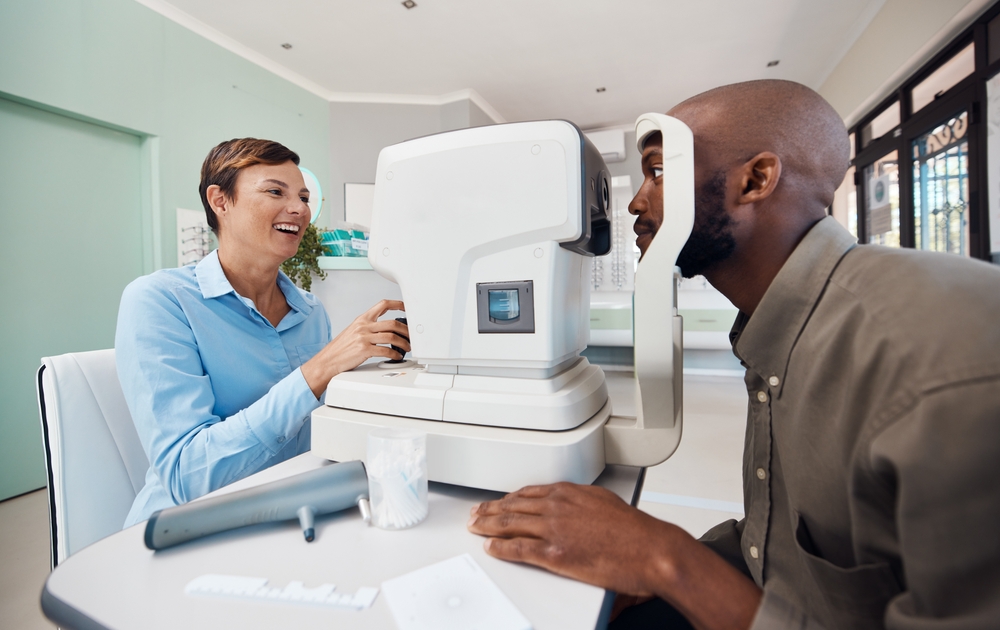
The Omaha and Lincoln Eye & Laser Institute also uses the Cirrus HD-OCT, a spectral domain imaging system that produces high-definition 3D maps of individual retinal layers. This technology measures the thickness of your nerve fiber layer with precision, enabling the detection of subtle changes over time.
Automated alignment features help your eye doctor compare results from visit to visit with confidence, which is especially valuable for monitoring glaucoma progression.
Perimetry (Visual Field Test)
A visual field test maps out the full range of your side and central vision. During the test, you’ll look straight ahead at a screen and press a button each time you notice a small spot of light in your peripheral vision.
Some of the light spots will be bright and easy to see, while others will be faint. The test automatically retests certain areas, so there’s no need to stress about missing a spot. Your results can show your eye doctor whether glaucoma has begun to affect any areas of your visual field.
After an official glaucoma diagnosis, your eye doctor will typically repeat this test one to two times per year to track any changes.
Gonioscopy (Drainage Angle Exam)
Gonioscopy examines the angle where the iris meets the cornea, which is where fluid drains out of the eye. After numbing drops are applied, your doctor places a special mirrored lens gently on the surface of your eye.
This lens allows them to see whether the drainage angle is open or closed. A narrow or partially closed angle can contribute to elevated eye pressure and may influence the type of glaucoma treatment recommended.
Pachymetry (Corneal Thickness Measurement)
Pachymetry measures the thickness of your cornea using a small probe placed gently on the surface of your eye. This measurement matters because corneal thickness can affect the accuracy of your eye pressure readings.
A person with a thicker-than-average cornea may show higher tonometry readings than their actual pressure. Conversely, someone with a thinner cornea may appear to have normal pressure, even though the true pressure is higher. This extra step helps your eye doctor interpret your pressure readings accurately and make better treatment decisions.
What Happens if Your Eye Doctor Finds Glaucoma?

If your screening reveals signs of glaucoma, your eye doctor will work with you to create a treatment plan aimed at lowering your eye pressure and preventing further optic nerve damage. The specific approach will depend on the type and severity of your glaucoma, as well as your individual eye anatomy.
For many patients, the first step is prescription eye drops. These medications work by either reducing the amount of fluid produced inside the eye or helping that fluid drain more efficiently. It’s common to use two or more medications together if a single drop isn’t enough to reach your target pressure.
When eye drops alone aren’t sufficient, your doctor may recommend SLT laser therapy. The Omaha and Lincoln Eye & Laser Institute was the first practice in Nebraska and Iowa to offer SLT, a low-energy laser treatment that improves fluid drainage through the eye’s natural outflow system.
For patients with cataracts, the iStent procedure offers the opportunity to address both conditions in a single surgery. These tiny implants create permanent bypasses in the trabecular meshwork to help fluid flow more freely, potentially reducing or even eliminating the need for daily glaucoma drops.
If more advanced intervention is required, the fellowship-trained glaucoma specialists at the Omaha Eye & Laser Institute are experienced in microsurgical procedures, including trabeculectomy and tube shunt implantation, all performed in the practice’s accredited surgery center.
If you’re due for a glaucoma screening, take the first step towards protecting your vision by scheduling an appointment at The Omaha and Lincoln Eye & Laser Institute in Omaha or Lincoln, NE, today!